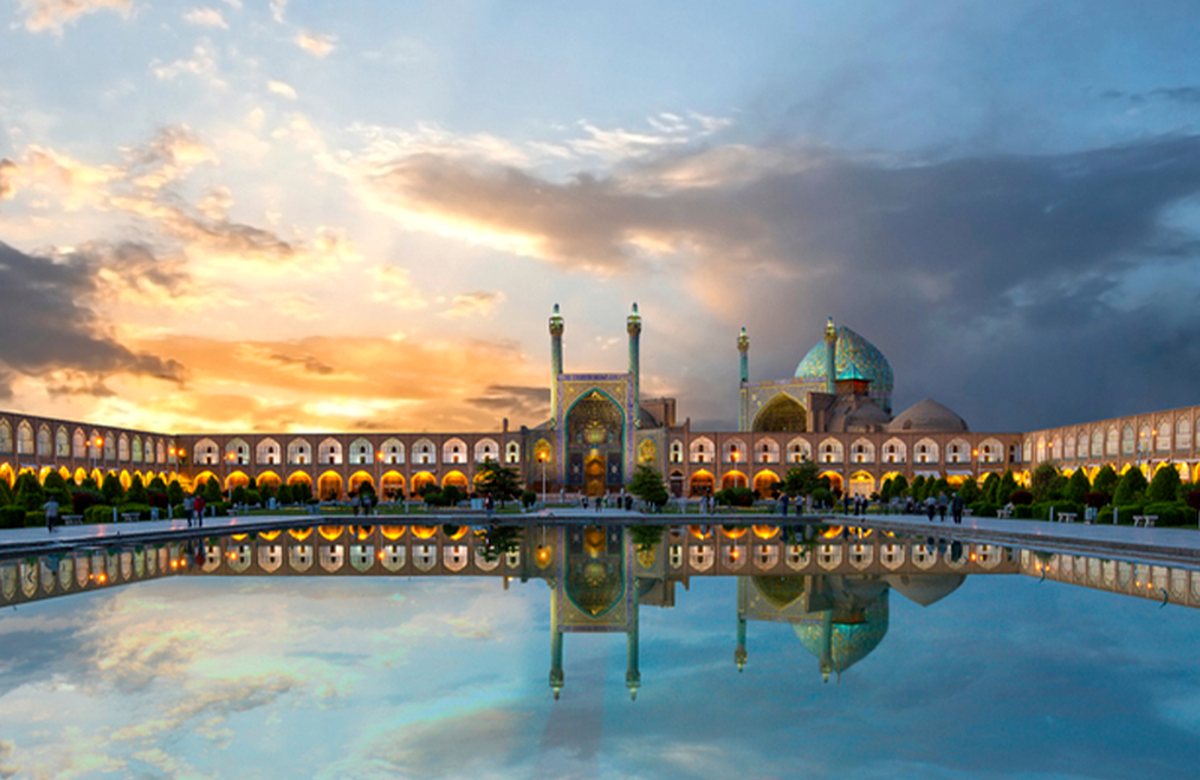
Place matters in craft because materials, trade routes, patrons and local habits all influence what gets made. Kerman is widely associated with carpet production and distinctive approaches to colour and floral design.
Place and material
A pile carpet is constructed on a system of warp and weft, with knots tied around warp threads to create the patterned surface. Fibre, knot density, design and finishing all influence the result. Persian carpets are regional rather than uniform. Workshop carpets, village rugs and nomadic weavings can follow very different design systems and material priorities.
That distinction matters because decorative complexity can hide poor finishing just as easily as it can reveal skill. Regional identity is strongest when it is tied to observable materials, techniques and market histories rather than vague claims of exclusivity.
Workshop traditions
UNESCO recognises traditional carpet-weaving skills in both Kashan and Fars, underscoring that weaving knowledge is embedded in specific communities and methods. Kerman is internationally known for carpets, including floral workshop traditions, and has long connected desert trade with urban craft.
The strongest examples usually feel controlled rather than mechanically perfect: the eye can sense rhythm without losing the presence of the hand. Regional identity is strongest when it is tied to observable materials, techniques and market histories rather than vague claims of exclusivity.
What moves between regions
Regional labels are useful, but they should not be treated as sealed borders: makers, materials and designs move between cities, villages and markets. That distinction matters because decorative complexity can hide poor finishing just as easily as it can reveal skill.
It is also worth separating historical association from modern marketing. A living craft can be valuable without pretending every contemporary object is an unchanged survival from antiquity. Regional identity is strongest when it is tied to observable materials, techniques and market histories rather than vague claims of exclusivity.
How to read regional labels
A pile carpet is constructed on a system of warp and weft, with knots tied around warp threads to create the patterned surface. Fibre, knot density, design and finishing all influence the result. Persian carpets are regional rather than uniform. Workshop carpets, village rugs and nomadic weavings can follow very different design systems and material priorities.
For a contemporary buyer, this creates a useful balance between visual pleasure and informed judgement. Regional identity is strongest when it is tied to observable materials, techniques and market histories rather than vague claims of exclusivity.
- A pile carpet is constructed on a system of warp and weft, with knots tied around warp threads to create the patterned surface. Fibre, knot density, design and finishing all influence the result.
- Persian carpets are regional rather than uniform. Workshop carpets, village rugs and nomadic weavings can follow very different design systems and material priorities.
- UNESCO recognises traditional carpet-weaving skills in both Kashan and Fars, underscoring that weaving knowledge is embedded in specific communities and methods.
Sources & further reading
- UNESCO Intangible Cultural Heritage — Iran
- The Metropolitan Museum of Art — Heilbrunn Timeline
- Encyclopaedia Iranica
This Journal is written as accessible editorial guidance, not as an attribution or authentication service. Dates, workshop practices and regional labels can vary by object.